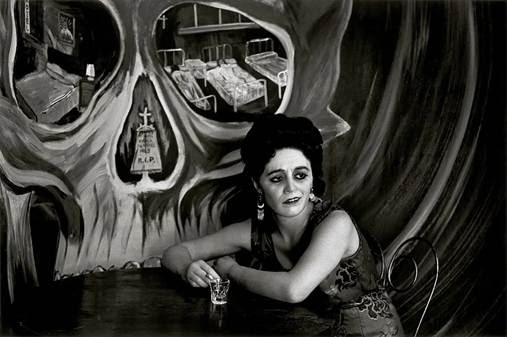
Graciela Iturbide: Between Two Worlds, a Major Retrospective
"The camera is an excuse to share the life of the people, the rhythm and sympathy of festivals, to discover my country." -- Graciela Iturbide
"The camera is an excuse to share the life of the people, the rhythm and sympathy of festivals, to discover my country." -- Graciela Iturbide
read more
-- Review --
SPAM
APPROVE
EDIT OWNER
Owned by
{{eventOwner.email_address || eventOwner.displayName}}
New Owner
Update
Status
ACTIVE
DELETED
EDIT
EDIT
2026-07-20
2026-07-20
Graciela Iturbide: Between Two Worlds, a Major Retrospective
https://cdn.sfstation.com/assets/images/events/86/15771186733652535_orig.jpg
"The camera is an excuse to share the life of the people, the rhythm and sympathy of festivals, to discover my country." -- Graciela Iturbide
Grac...
SFMOMA
151 3rd Street San Francisco ,
CA
94103
10am - 5pm
2026-07-21
2026-07-21
Graciela Iturbide: Between Two Worlds, a Major Retrospective
https://cdn.sfstation.com/assets/images/events/86/15771186733652535_orig.jpg
"The camera is an excuse to share the life of the people, the rhythm and sympathy of festivals, to discover my country." -- Graciela Iturbide
Grac...
SFMOMA
151 3rd Street San Francisco ,
CA
94103
10am - 5pm
2026-07-22
2026-07-22
Graciela Iturbide: Between Two Worlds, a Major Retrospective
https://cdn.sfstation.com/assets/images/events/86/15771186733652535_orig.jpg
"The camera is an excuse to share the life of the people, the rhythm and sympathy of festivals, to discover my country." -- Graciela Iturbide
Grac...
SFMOMA
151 3rd Street San Francisco ,
CA
94103
closed
2026-07-23
2026-07-23
Graciela Iturbide: Between Two Worlds, a Major Retrospective
https://cdn.sfstation.com/assets/images/events/86/15771186733652535_orig.jpg
"The camera is an excuse to share the life of the people, the rhythm and sympathy of festivals, to discover my country." -- Graciela Iturbide
Grac...
SFMOMA
151 3rd Street San Francisco ,
CA
94103
12noon - 8pm
2026-07-24
2026-07-24
Graciela Iturbide: Between Two Worlds, a Major Retrospective
https://cdn.sfstation.com/assets/images/events/86/15771186733652535_orig.jpg
"The camera is an excuse to share the life of the people, the rhythm and sympathy of festivals, to discover my country." -- Graciela Iturbide
Grac...
SFMOMA
151 3rd Street San Francisco ,
CA
94103
10am - 5pm
2026-07-25
2026-07-25
Graciela Iturbide: Between Two Worlds, a Major Retrospective
https://cdn.sfstation.com/assets/images/events/86/15771186733652535_orig.jpg
"The camera is an excuse to share the life of the people, the rhythm and sympathy of festivals, to discover my country." -- Graciela Iturbide
Grac...
SFMOMA
151 3rd Street San Francisco ,
CA
94103
10am - 5pm
2026-07-26
2026-07-26
Graciela Iturbide: Between Two Worlds, a Major Retrospective
https://cdn.sfstation.com/assets/images/events/86/15771186733652535_orig.jpg
"The camera is an excuse to share the life of the people, the rhythm and sympathy of festivals, to discover my country." -- Graciela Iturbide
Grac...
SFMOMA
151 3rd Street San Francisco ,
CA
94103
10am - 5pm
2026-07-27
2026-07-27
Graciela Iturbide: Between Two Worlds, a Major Retrospective
https://cdn.sfstation.com/assets/images/events/86/15771186733652535_orig.jpg
"The camera is an excuse to share the life of the people, the rhythm and sympathy of festivals, to discover my country." -- Graciela Iturbide
Grac...
SFMOMA
151 3rd Street San Francisco ,
CA
94103
10am - 5pm
2026-07-28
2026-07-28
Graciela Iturbide: Between Two Worlds, a Major Retrospective
https://cdn.sfstation.com/assets/images/events/86/15771186733652535_orig.jpg
"The camera is an excuse to share the life of the people, the rhythm and sympathy of festivals, to discover my country." -- Graciela Iturbide
Grac...
SFMOMA
151 3rd Street San Francisco ,
CA
94103
10am - 5pm
2026-07-29
2026-07-29
Graciela Iturbide: Between Two Worlds, a Major Retrospective
https://cdn.sfstation.com/assets/images/events/86/15771186733652535_orig.jpg
"The camera is an excuse to share the life of the people, the rhythm and sympathy of festivals, to discover my country." -- Graciela Iturbide
Grac...
SFMOMA
151 3rd Street San Francisco ,
CA
94103
closed
2026-07-30
2026-07-30
Graciela Iturbide: Between Two Worlds, a Major Retrospective
https://cdn.sfstation.com/assets/images/events/86/15771186733652535_orig.jpg
"The camera is an excuse to share the life of the people, the rhythm and sympathy of festivals, to discover my country." -- Graciela Iturbide
Grac...
SFMOMA
151 3rd Street San Francisco ,
CA
94103
12noon - 8pm
2026-07-31
2026-07-31
Graciela Iturbide: Between Two Worlds, a Major Retrospective
https://cdn.sfstation.com/assets/images/events/86/15771186733652535_orig.jpg
"The camera is an excuse to share the life of the people, the rhythm and sympathy of festivals, to discover my country." -- Graciela Iturbide
Grac...
SFMOMA
151 3rd Street San Francisco ,
CA
94103
10am - 5pm
2026-08-01
2026-08-01
Graciela Iturbide: Between Two Worlds, a Major Retrospective
https://cdn.sfstation.com/assets/images/events/86/15771186733652535_orig.jpg
"The camera is an excuse to share the life of the people, the rhythm and sympathy of festivals, to discover my country." -- Graciela Iturbide
Grac...
SFMOMA
151 3rd Street San Francisco ,
CA
94103
10am - 5pm
2026-08-02
2026-08-02
Graciela Iturbide: Between Two Worlds, a Major Retrospective
https://cdn.sfstation.com/assets/images/events/86/15771186733652535_orig.jpg
"The camera is an excuse to share the life of the people, the rhythm and sympathy of festivals, to discover my country." -- Graciela Iturbide
Grac...
SFMOMA
151 3rd Street San Francisco ,
CA
94103
10am - 5pm
2026-08-03
2026-08-03
Graciela Iturbide: Between Two Worlds, a Major Retrospective
https://cdn.sfstation.com/assets/images/events/86/15771186733652535_orig.jpg
"The camera is an excuse to share the life of the people, the rhythm and sympathy of festivals, to discover my country." -- Graciela Iturbide
Grac...
SFMOMA
151 3rd Street San Francisco ,
CA
94103
10am - 5pm
2026-08-04
2026-08-04
Graciela Iturbide: Between Two Worlds, a Major Retrospective
https://cdn.sfstation.com/assets/images/events/86/15771186733652535_orig.jpg
"The camera is an excuse to share the life of the people, the rhythm and sympathy of festivals, to discover my country." -- Graciela Iturbide
Grac...
SFMOMA
151 3rd Street San Francisco ,
CA
94103
10am - 5pm
2026-08-05
2026-08-05
Graciela Iturbide: Between Two Worlds, a Major Retrospective
https://cdn.sfstation.com/assets/images/events/86/15771186733652535_orig.jpg
"The camera is an excuse to share the life of the people, the rhythm and sympathy of festivals, to discover my country." -- Graciela Iturbide
Grac...
SFMOMA
151 3rd Street San Francisco ,
CA
94103
closed
2026-08-06
2026-08-06
Graciela Iturbide: Between Two Worlds, a Major Retrospective
https://cdn.sfstation.com/assets/images/events/86/15771186733652535_orig.jpg
"The camera is an excuse to share the life of the people, the rhythm and sympathy of festivals, to discover my country." -- Graciela Iturbide
Grac...
SFMOMA
151 3rd Street San Francisco ,
CA
94103
12noon - 8pm
2026-08-07
2026-08-07
Graciela Iturbide: Between Two Worlds, a Major Retrospective
https://cdn.sfstation.com/assets/images/events/86/15771186733652535_orig.jpg
"The camera is an excuse to share the life of the people, the rhythm and sympathy of festivals, to discover my country." -- Graciela Iturbide
Grac...
SFMOMA
151 3rd Street San Francisco ,
CA
94103
10am - 5pm
2026-08-08
2026-08-08
Graciela Iturbide: Between Two Worlds, a Major Retrospective
https://cdn.sfstation.com/assets/images/events/86/15771186733652535_orig.jpg
"The camera is an excuse to share the life of the people, the rhythm and sympathy of festivals, to discover my country." -- Graciela Iturbide
Grac...
SFMOMA
151 3rd Street San Francisco ,
CA
94103
10am - 5pm
2026-08-09
2026-08-09
Graciela Iturbide: Between Two Worlds, a Major Retrospective
https://cdn.sfstation.com/assets/images/events/86/15771186733652535_orig.jpg
"The camera is an excuse to share the life of the people, the rhythm and sympathy of festivals, to discover my country." -- Graciela Iturbide
Grac...
SFMOMA
151 3rd Street San Francisco ,
CA
94103
10am - 5pm
2026-08-10
2026-08-10
Graciela Iturbide: Between Two Worlds, a Major Retrospective
https://cdn.sfstation.com/assets/images/events/86/15771186733652535_orig.jpg
"The camera is an excuse to share the life of the people, the rhythm and sympathy of festivals, to discover my country." -- Graciela Iturbide
Grac...
SFMOMA
151 3rd Street San Francisco ,
CA
94103
10am - 5pm
2026-08-11
2026-08-11
Graciela Iturbide: Between Two Worlds, a Major Retrospective
https://cdn.sfstation.com/assets/images/events/86/15771186733652535_orig.jpg
"The camera is an excuse to share the life of the people, the rhythm and sympathy of festivals, to discover my country." -- Graciela Iturbide
Grac...
SFMOMA
151 3rd Street San Francisco ,
CA
94103
10am - 5pm
2026-08-12
2026-08-12
Graciela Iturbide: Between Two Worlds, a Major Retrospective
https://cdn.sfstation.com/assets/images/events/86/15771186733652535_orig.jpg
"The camera is an excuse to share the life of the people, the rhythm and sympathy of festivals, to discover my country." -- Graciela Iturbide
Grac...
SFMOMA
151 3rd Street San Francisco ,
CA
94103
closed
2026-08-13
2026-08-13
Graciela Iturbide: Between Two Worlds, a Major Retrospective
https://cdn.sfstation.com/assets/images/events/86/15771186733652535_orig.jpg
"The camera is an excuse to share the life of the people, the rhythm and sympathy of festivals, to discover my country." -- Graciela Iturbide
Grac...
SFMOMA
151 3rd Street San Francisco ,
CA
94103
12noon - 8pm
2026-08-14
2026-08-14
Graciela Iturbide: Between Two Worlds, a Major Retrospective
https://cdn.sfstation.com/assets/images/events/86/15771186733652535_orig.jpg
"The camera is an excuse to share the life of the people, the rhythm and sympathy of festivals, to discover my country." -- Graciela Iturbide
Grac...
SFMOMA
151 3rd Street San Francisco ,
CA
94103
10am - 5pm
2026-08-15
2026-08-15
Graciela Iturbide: Between Two Worlds, a Major Retrospective
https://cdn.sfstation.com/assets/images/events/86/15771186733652535_orig.jpg
"The camera is an excuse to share the life of the people, the rhythm and sympathy of festivals, to discover my country." -- Graciela Iturbide
Grac...
SFMOMA
151 3rd Street San Francisco ,
CA
94103
10am - 5pm
2026-08-16
2026-08-16
Graciela Iturbide: Between Two Worlds, a Major Retrospective
https://cdn.sfstation.com/assets/images/events/86/15771186733652535_orig.jpg
"The camera is an excuse to share the life of the people, the rhythm and sympathy of festivals, to discover my country." -- Graciela Iturbide
Grac...
SFMOMA
151 3rd Street San Francisco ,
CA
94103
10am - 5pm
2026-08-17
2026-08-17
Graciela Iturbide: Between Two Worlds, a Major Retrospective
https://cdn.sfstation.com/assets/images/events/86/15771186733652535_orig.jpg
"The camera is an excuse to share the life of the people, the rhythm and sympathy of festivals, to discover my country." -- Graciela Iturbide
Grac...
SFMOMA
151 3rd Street San Francisco ,
CA
94103
10am - 5pm
2026-08-18
2026-08-18
Graciela Iturbide: Between Two Worlds, a Major Retrospective
https://cdn.sfstation.com/assets/images/events/86/15771186733652535_orig.jpg
"The camera is an excuse to share the life of the people, the rhythm and sympathy of festivals, to discover my country." -- Graciela Iturbide
Grac...
SFMOMA
151 3rd Street San Francisco ,
CA
94103
10am - 5pm
2026-08-19
2026-08-19
Graciela Iturbide: Between Two Worlds, a Major Retrospective
https://cdn.sfstation.com/assets/images/events/86/15771186733652535_orig.jpg
"The camera is an excuse to share the life of the people, the rhythm and sympathy of festivals, to discover my country." -- Graciela Iturbide
Grac...
SFMOMA
151 3rd Street San Francisco ,
CA
94103
closed
2026-08-20
2026-08-20
Graciela Iturbide: Between Two Worlds, a Major Retrospective
https://cdn.sfstation.com/assets/images/events/86/15771186733652535_orig.jpg
"The camera is an excuse to share the life of the people, the rhythm and sympathy of festivals, to discover my country." -- Graciela Iturbide
Grac...
SFMOMA
151 3rd Street San Francisco ,
CA
94103
12noon - 8pm
2026-08-21
2026-08-21
Graciela Iturbide: Between Two Worlds, a Major Retrospective
https://cdn.sfstation.com/assets/images/events/86/15771186733652535_orig.jpg
"The camera is an excuse to share the life of the people, the rhythm and sympathy of festivals, to discover my country." -- Graciela Iturbide
Grac...
SFMOMA
151 3rd Street San Francisco ,
CA
94103
10am - 5pm
2026-08-22
2026-08-22
Graciela Iturbide: Between Two Worlds, a Major Retrospective
https://cdn.sfstation.com/assets/images/events/86/15771186733652535_orig.jpg
"The camera is an excuse to share the life of the people, the rhythm and sympathy of festivals, to discover my country." -- Graciela Iturbide
Grac...
SFMOMA
151 3rd Street San Francisco ,
CA
94103
10am - 5pm
2026-08-23
2026-08-23
Graciela Iturbide: Between Two Worlds, a Major Retrospective
https://cdn.sfstation.com/assets/images/events/86/15771186733652535_orig.jpg
"The camera is an excuse to share the life of the people, the rhythm and sympathy of festivals, to discover my country." -- Graciela Iturbide
Grac...
SFMOMA
151 3rd Street San Francisco ,
CA
94103
10am - 5pm
2026-08-24
2026-08-24
Graciela Iturbide: Between Two Worlds, a Major Retrospective
https://cdn.sfstation.com/assets/images/events/86/15771186733652535_orig.jpg
"The camera is an excuse to share the life of the people, the rhythm and sympathy of festivals, to discover my country." -- Graciela Iturbide
Grac...
SFMOMA
151 3rd Street San Francisco ,
CA
94103
10am - 5pm
2026-08-25
2026-08-25
Graciela Iturbide: Between Two Worlds, a Major Retrospective
https://cdn.sfstation.com/assets/images/events/86/15771186733652535_orig.jpg
"The camera is an excuse to share the life of the people, the rhythm and sympathy of festivals, to discover my country." -- Graciela Iturbide
Grac...
SFMOMA
151 3rd Street San Francisco ,
CA
94103
10am - 5pm
2026-08-26
2026-08-26
Graciela Iturbide: Between Two Worlds, a Major Retrospective
https://cdn.sfstation.com/assets/images/events/86/15771186733652535_orig.jpg
"The camera is an excuse to share the life of the people, the rhythm and sympathy of festivals, to discover my country." -- Graciela Iturbide
Grac...
SFMOMA
151 3rd Street San Francisco ,
CA
94103
closed
2026-08-27
2026-08-27
Graciela Iturbide: Between Two Worlds, a Major Retrospective
https://cdn.sfstation.com/assets/images/events/86/15771186733652535_orig.jpg
"The camera is an excuse to share the life of the people, the rhythm and sympathy of festivals, to discover my country." -- Graciela Iturbide
Grac...
SFMOMA
151 3rd Street San Francisco ,
CA
94103
12noon - 8pm
2026-08-28
2026-08-28
Graciela Iturbide: Between Two Worlds, a Major Retrospective
https://cdn.sfstation.com/assets/images/events/86/15771186733652535_orig.jpg
"The camera is an excuse to share the life of the people, the rhythm and sympathy of festivals, to discover my country." -- Graciela Iturbide
Grac...
SFMOMA
151 3rd Street San Francisco ,
CA
94103
10am - 5pm
2026-08-29
2026-08-29
Graciela Iturbide: Between Two Worlds, a Major Retrospective
https://cdn.sfstation.com/assets/images/events/86/15771186733652535_orig.jpg
"The camera is an excuse to share the life of the people, the rhythm and sympathy of festivals, to discover my country." -- Graciela Iturbide
Grac...
SFMOMA
151 3rd Street San Francisco ,
CA
94103
10am - 5pm
2026-08-30
2026-08-30
Graciela Iturbide: Between Two Worlds, a Major Retrospective
https://cdn.sfstation.com/assets/images/events/86/15771186733652535_orig.jpg
"The camera is an excuse to share the life of the people, the rhythm and sympathy of festivals, to discover my country." -- Graciela Iturbide
Grac...
SFMOMA
151 3rd Street San Francisco ,
CA
94103
10am - 5pm
2026-08-31
2026-08-31
Graciela Iturbide: Between Two Worlds, a Major Retrospective
https://cdn.sfstation.com/assets/images/events/86/15771186733652535_orig.jpg
"The camera is an excuse to share the life of the people, the rhythm and sympathy of festivals, to discover my country." -- Graciela Iturbide
Grac...
SFMOMA
151 3rd Street San Francisco ,
CA
94103
10am - 5pm
2026-09-01
2026-09-01
Graciela Iturbide: Between Two Worlds, a Major Retrospective
https://cdn.sfstation.com/assets/images/events/86/15771186733652535_orig.jpg
"The camera is an excuse to share the life of the people, the rhythm and sympathy of festivals, to discover my country." -- Graciela Iturbide
Grac...
SFMOMA
151 3rd Street San Francisco ,
CA
94103
10am - 5pm
2026-09-02
2026-09-02
Graciela Iturbide: Between Two Worlds, a Major Retrospective
https://cdn.sfstation.com/assets/images/events/86/15771186733652535_orig.jpg
"The camera is an excuse to share the life of the people, the rhythm and sympathy of festivals, to discover my country." -- Graciela Iturbide
Grac...
SFMOMA
151 3rd Street San Francisco ,
CA
94103
closed
2026-09-03
2026-09-03
Graciela Iturbide: Between Two Worlds, a Major Retrospective
https://cdn.sfstation.com/assets/images/events/86/15771186733652535_orig.jpg
"The camera is an excuse to share the life of the people, the rhythm and sympathy of festivals, to discover my country." -- Graciela Iturbide
Grac...
SFMOMA
151 3rd Street San Francisco ,
CA
94103
12noon - 8pm
2026-09-04
2026-09-04
Graciela Iturbide: Between Two Worlds, a Major Retrospective
https://cdn.sfstation.com/assets/images/events/86/15771186733652535_orig.jpg
"The camera is an excuse to share the life of the people, the rhythm and sympathy of festivals, to discover my country." -- Graciela Iturbide
Grac...
SFMOMA
151 3rd Street San Francisco ,
CA
94103
10am - 5pm
2026-09-05
2026-09-05
Graciela Iturbide: Between Two Worlds, a Major Retrospective
https://cdn.sfstation.com/assets/images/events/86/15771186733652535_orig.jpg
"The camera is an excuse to share the life of the people, the rhythm and sympathy of festivals, to discover my country." -- Graciela Iturbide
Grac...
SFMOMA
151 3rd Street San Francisco ,
CA
94103
10am - 5pm
2026-09-06
2026-09-06
Graciela Iturbide: Between Two Worlds, a Major Retrospective
https://cdn.sfstation.com/assets/images/events/86/15771186733652535_orig.jpg
"The camera is an excuse to share the life of the people, the rhythm and sympathy of festivals, to discover my country." -- Graciela Iturbide
Grac...
SFMOMA
151 3rd Street San Francisco ,
CA
94103
10am - 5pm
2026-09-07
2026-09-07
Graciela Iturbide: Between Two Worlds, a Major Retrospective
https://cdn.sfstation.com/assets/images/events/86/15771186733652535_orig.jpg
"The camera is an excuse to share the life of the people, the rhythm and sympathy of festivals, to discover my country." -- Graciela Iturbide
Grac...
SFMOMA
151 3rd Street San Francisco ,
CA
94103
10am - 5pm
2026-09-08
2026-09-08
Graciela Iturbide: Between Two Worlds, a Major Retrospective
https://cdn.sfstation.com/assets/images/events/86/15771186733652535_orig.jpg
"The camera is an excuse to share the life of the people, the rhythm and sympathy of festivals, to discover my country." -- Graciela Iturbide
Grac...
SFMOMA
151 3rd Street San Francisco ,
CA
94103
10am - 5pm
2026-09-09
2026-09-09
Graciela Iturbide: Between Two Worlds, a Major Retrospective
https://cdn.sfstation.com/assets/images/events/86/15771186733652535_orig.jpg
"The camera is an excuse to share the life of the people, the rhythm and sympathy of festivals, to discover my country." -- Graciela Iturbide
Grac...
SFMOMA
151 3rd Street San Francisco ,
CA
94103
closed
2026-09-10
2026-09-10
Graciela Iturbide: Between Two Worlds, a Major Retrospective
https://cdn.sfstation.com/assets/images/events/86/15771186733652535_orig.jpg
"The camera is an excuse to share the life of the people, the rhythm and sympathy of festivals, to discover my country." -- Graciela Iturbide
Grac...
SFMOMA
151 3rd Street San Francisco ,
CA
94103
12noon - 8pm
2026-09-11
2026-09-11
Graciela Iturbide: Between Two Worlds, a Major Retrospective
https://cdn.sfstation.com/assets/images/events/86/15771186733652535_orig.jpg
"The camera is an excuse to share the life of the people, the rhythm and sympathy of festivals, to discover my country." -- Graciela Iturbide
Grac...
SFMOMA
151 3rd Street San Francisco ,
CA
94103
10am - 5pm
2026-09-12
2026-09-12
Graciela Iturbide: Between Two Worlds, a Major Retrospective
https://cdn.sfstation.com/assets/images/events/86/15771186733652535_orig.jpg
"The camera is an excuse to share the life of the people, the rhythm and sympathy of festivals, to discover my country." -- Graciela Iturbide
Grac...
SFMOMA
151 3rd Street San Francisco ,
CA
94103
10am - 5pm
2026-09-13
2026-09-13
Graciela Iturbide: Between Two Worlds, a Major Retrospective
https://cdn.sfstation.com/assets/images/events/86/15771186733652535_orig.jpg
"The camera is an excuse to share the life of the people, the rhythm and sympathy of festivals, to discover my country." -- Graciela Iturbide
Grac...
SFMOMA
151 3rd Street San Francisco ,
CA
94103
10am - 5pm
2026-09-14
2026-09-14
Graciela Iturbide: Between Two Worlds, a Major Retrospective
https://cdn.sfstation.com/assets/images/events/86/15771186733652535_orig.jpg
"The camera is an excuse to share the life of the people, the rhythm and sympathy of festivals, to discover my country." -- Graciela Iturbide
Grac...
SFMOMA
151 3rd Street San Francisco ,
CA
94103
10am - 5pm
2026-09-15
2026-09-15
Graciela Iturbide: Between Two Worlds, a Major Retrospective
https://cdn.sfstation.com/assets/images/events/86/15771186733652535_orig.jpg
"The camera is an excuse to share the life of the people, the rhythm and sympathy of festivals, to discover my country." -- Graciela Iturbide
Grac...
SFMOMA
151 3rd Street San Francisco ,
CA
94103
10am - 5pm
2026-09-16
2026-09-16
Graciela Iturbide: Between Two Worlds, a Major Retrospective
https://cdn.sfstation.com/assets/images/events/86/15771186733652535_orig.jpg
"The camera is an excuse to share the life of the people, the rhythm and sympathy of festivals, to discover my country." -- Graciela Iturbide
Grac...
SFMOMA
151 3rd Street San Francisco ,
CA
94103
closed
2026-09-17
2026-09-17
Graciela Iturbide: Between Two Worlds, a Major Retrospective
https://cdn.sfstation.com/assets/images/events/86/15771186733652535_orig.jpg
"The camera is an excuse to share the life of the people, the rhythm and sympathy of festivals, to discover my country." -- Graciela Iturbide
Grac...
SFMOMA
151 3rd Street San Francisco ,
CA
94103
12noon - 8pm
2026-09-18
2026-09-18
Graciela Iturbide: Between Two Worlds, a Major Retrospective
https://cdn.sfstation.com/assets/images/events/86/15771186733652535_orig.jpg
"The camera is an excuse to share the life of the people, the rhythm and sympathy of festivals, to discover my country." -- Graciela Iturbide
Grac...
SFMOMA
151 3rd Street San Francisco ,
CA
94103
10am - 5pm
2026-09-19
2026-09-19
Graciela Iturbide: Between Two Worlds, a Major Retrospective
https://cdn.sfstation.com/assets/images/events/86/15771186733652535_orig.jpg
"The camera is an excuse to share the life of the people, the rhythm and sympathy of festivals, to discover my country." -- Graciela Iturbide
Grac...
SFMOMA
151 3rd Street San Francisco ,
CA
94103
10am - 5pm
2026-09-20
2026-09-20
Graciela Iturbide: Between Two Worlds, a Major Retrospective
https://cdn.sfstation.com/assets/images/events/86/15771186733652535_orig.jpg
"The camera is an excuse to share the life of the people, the rhythm and sympathy of festivals, to discover my country." -- Graciela Iturbide
Grac...
SFMOMA
151 3rd Street San Francisco ,
CA
94103
10am - 5pm
2026-09-21
2026-09-21
Graciela Iturbide: Between Two Worlds, a Major Retrospective
https://cdn.sfstation.com/assets/images/events/86/15771186733652535_orig.jpg
"The camera is an excuse to share the life of the people, the rhythm and sympathy of festivals, to discover my country." -- Graciela Iturbide
Grac...
SFMOMA
151 3rd Street San Francisco ,
CA
94103
10am - 5pm
2026-09-22
2026-09-22
Graciela Iturbide: Between Two Worlds, a Major Retrospective
https://cdn.sfstation.com/assets/images/events/86/15771186733652535_orig.jpg
"The camera is an excuse to share the life of the people, the rhythm and sympathy of festivals, to discover my country." -- Graciela Iturbide
Grac...
SFMOMA
151 3rd Street San Francisco ,
CA
94103
10am - 5pm
2026-09-23
2026-09-23
Graciela Iturbide: Between Two Worlds, a Major Retrospective
https://cdn.sfstation.com/assets/images/events/86/15771186733652535_orig.jpg
"The camera is an excuse to share the life of the people, the rhythm and sympathy of festivals, to discover my country." -- Graciela Iturbide
Grac...
SFMOMA
151 3rd Street San Francisco ,
CA
94103
closed
2026-09-24
2026-09-24
Graciela Iturbide: Between Two Worlds, a Major Retrospective
https://cdn.sfstation.com/assets/images/events/86/15771186733652535_orig.jpg
"The camera is an excuse to share the life of the people, the rhythm and sympathy of festivals, to discover my country." -- Graciela Iturbide
Grac...
SFMOMA
151 3rd Street San Francisco ,
CA
94103
12noon - 8pm
2026-09-25
2026-09-25
Graciela Iturbide: Between Two Worlds, a Major Retrospective
https://cdn.sfstation.com/assets/images/events/86/15771186733652535_orig.jpg
"The camera is an excuse to share the life of the people, the rhythm and sympathy of festivals, to discover my country." -- Graciela Iturbide
Grac...
SFMOMA
151 3rd Street San Francisco ,
CA
94103
10am - 5pm
2026-09-26
2026-09-26
Graciela Iturbide: Between Two Worlds, a Major Retrospective
https://cdn.sfstation.com/assets/images/events/86/15771186733652535_orig.jpg
"The camera is an excuse to share the life of the people, the rhythm and sympathy of festivals, to discover my country." -- Graciela Iturbide
Grac...
SFMOMA
151 3rd Street San Francisco ,
CA
94103
10am - 5pm
2026-09-27
2026-09-27
Graciela Iturbide: Between Two Worlds, a Major Retrospective
https://cdn.sfstation.com/assets/images/events/86/15771186733652535_orig.jpg
"The camera is an excuse to share the life of the people, the rhythm and sympathy of festivals, to discover my country." -- Graciela Iturbide
Grac...
SFMOMA
151 3rd Street San Francisco ,
CA
94103
10am - 5pm
2026-09-28
2026-09-28
Graciela Iturbide: Between Two Worlds, a Major Retrospective
https://cdn.sfstation.com/assets/images/events/86/15771186733652535_orig.jpg
"The camera is an excuse to share the life of the people, the rhythm and sympathy of festivals, to discover my country." -- Graciela Iturbide
Grac...
SFMOMA
151 3rd Street San Francisco ,
CA
94103
10am - 5pm
2026-09-29
2026-09-29
Graciela Iturbide: Between Two Worlds, a Major Retrospective
https://cdn.sfstation.com/assets/images/events/86/15771186733652535_orig.jpg
"The camera is an excuse to share the life of the people, the rhythm and sympathy of festivals, to discover my country." -- Graciela Iturbide
Grac...
SFMOMA
151 3rd Street San Francisco ,
CA
94103
10am - 5pm
2026-09-30
2026-09-30
Graciela Iturbide: Between Two Worlds, a Major Retrospective
https://cdn.sfstation.com/assets/images/events/86/15771186733652535_orig.jpg
"The camera is an excuse to share the life of the people, the rhythm and sympathy of festivals, to discover my country." -- Graciela Iturbide
Grac...
SFMOMA
151 3rd Street San Francisco ,
CA
94103
closed
2026-10-01
2026-10-01
Graciela Iturbide: Between Two Worlds, a Major Retrospective
https://cdn.sfstation.com/assets/images/events/86/15771186733652535_orig.jpg
"The camera is an excuse to share the life of the people, the rhythm and sympathy of festivals, to discover my country." -- Graciela Iturbide
Grac...
SFMOMA
151 3rd Street San Francisco ,
CA
94103
12noon - 8pm
2026-10-02
2026-10-02
Graciela Iturbide: Between Two Worlds, a Major Retrospective
https://cdn.sfstation.com/assets/images/events/86/15771186733652535_orig.jpg
"The camera is an excuse to share the life of the people, the rhythm and sympathy of festivals, to discover my country." -- Graciela Iturbide
Grac...
SFMOMA
151 3rd Street San Francisco ,
CA
94103
10am - 5pm
2026-10-03
2026-10-03
Graciela Iturbide: Between Two Worlds, a Major Retrospective
https://cdn.sfstation.com/assets/images/events/86/15771186733652535_orig.jpg
"The camera is an excuse to share the life of the people, the rhythm and sympathy of festivals, to discover my country." -- Graciela Iturbide
Grac...
SFMOMA
151 3rd Street San Francisco ,
CA
94103
10am - 5pm
2026-10-04
2026-10-04
Graciela Iturbide: Between Two Worlds, a Major Retrospective
https://cdn.sfstation.com/assets/images/events/86/15771186733652535_orig.jpg
"The camera is an excuse to share the life of the people, the rhythm and sympathy of festivals, to discover my country." -- Graciela Iturbide
Grac...
SFMOMA
151 3rd Street San Francisco ,
CA
94103
10am - 5pm
2026-10-05
2026-10-05
Graciela Iturbide: Between Two Worlds, a Major Retrospective
https://cdn.sfstation.com/assets/images/events/86/15771186733652535_orig.jpg
"The camera is an excuse to share the life of the people, the rhythm and sympathy of festivals, to discover my country." -- Graciela Iturbide
Grac...
SFMOMA
151 3rd Street San Francisco ,
CA
94103
10am - 5pm
2026-10-06
2026-10-06
Graciela Iturbide: Between Two Worlds, a Major Retrospective
https://cdn.sfstation.com/assets/images/events/86/15771186733652535_orig.jpg
"The camera is an excuse to share the life of the people, the rhythm and sympathy of festivals, to discover my country." -- Graciela Iturbide
Grac...
SFMOMA
151 3rd Street San Francisco ,
CA
94103
10am - 5pm
2026-10-07
2026-10-07
Graciela Iturbide: Between Two Worlds, a Major Retrospective
https://cdn.sfstation.com/assets/images/events/86/15771186733652535_orig.jpg
"The camera is an excuse to share the life of the people, the rhythm and sympathy of festivals, to discover my country." -- Graciela Iturbide
Grac...
SFMOMA
151 3rd Street San Francisco ,
CA
94103
closed
2026-10-08
2026-10-08
Graciela Iturbide: Between Two Worlds, a Major Retrospective
https://cdn.sfstation.com/assets/images/events/86/15771186733652535_orig.jpg
"The camera is an excuse to share the life of the people, the rhythm and sympathy of festivals, to discover my country." -- Graciela Iturbide
Grac...
SFMOMA
151 3rd Street San Francisco ,
CA
94103
12noon - 8pm
2026-10-09
2026-10-09
Graciela Iturbide: Between Two Worlds, a Major Retrospective
https://cdn.sfstation.com/assets/images/events/86/15771186733652535_orig.jpg
"The camera is an excuse to share the life of the people, the rhythm and sympathy of festivals, to discover my country." -- Graciela Iturbide
Grac...
SFMOMA
151 3rd Street San Francisco ,
CA
94103
10am - 5pm
2026-10-10
2026-10-10
Graciela Iturbide: Between Two Worlds, a Major Retrospective
https://cdn.sfstation.com/assets/images/events/86/15771186733652535_orig.jpg
"The camera is an excuse to share the life of the people, the rhythm and sympathy of festivals, to discover my country." -- Graciela Iturbide
Grac...
SFMOMA
151 3rd Street San Francisco ,
CA
94103
10am - 5pm
2026-10-11
2026-10-11
Graciela Iturbide: Between Two Worlds, a Major Retrospective
https://cdn.sfstation.com/assets/images/events/86/15771186733652535_orig.jpg
"The camera is an excuse to share the life of the people, the rhythm and sympathy of festivals, to discover my country." -- Graciela Iturbide
Grac...
SFMOMA
151 3rd Street San Francisco ,
CA
94103
10am - 5pm
2026-10-12
2026-10-12
Graciela Iturbide: Between Two Worlds, a Major Retrospective
https://cdn.sfstation.com/assets/images/events/86/15771186733652535_orig.jpg
"The camera is an excuse to share the life of the people, the rhythm and sympathy of festivals, to discover my country." -- Graciela Iturbide
Grac...
SFMOMA
151 3rd Street San Francisco ,
CA
94103
10am - 5pm
2026-10-13
2026-10-13
Graciela Iturbide: Between Two Worlds, a Major Retrospective
https://cdn.sfstation.com/assets/images/events/86/15771186733652535_orig.jpg
"The camera is an excuse to share the life of the people, the rhythm and sympathy of festivals, to discover my country." -- Graciela Iturbide
Grac...
SFMOMA
151 3rd Street San Francisco ,
CA
94103
10am - 5pm
2026-10-14
2026-10-14
Graciela Iturbide: Between Two Worlds, a Major Retrospective
https://cdn.sfstation.com/assets/images/events/86/15771186733652535_orig.jpg
"The camera is an excuse to share the life of the people, the rhythm and sympathy of festivals, to discover my country." -- Graciela Iturbide
Grac...
SFMOMA
151 3rd Street San Francisco ,
CA
94103
closed
2026-10-15
2026-10-15
Graciela Iturbide: Between Two Worlds, a Major Retrospective
https://cdn.sfstation.com/assets/images/events/86/15771186733652535_orig.jpg
"The camera is an excuse to share the life of the people, the rhythm and sympathy of festivals, to discover my country." -- Graciela Iturbide
Grac...
SFMOMA
151 3rd Street San Francisco ,
CA
94103
12noon - 8pm
2026-10-16
2026-10-16
Graciela Iturbide: Between Two Worlds, a Major Retrospective
https://cdn.sfstation.com/assets/images/events/86/15771186733652535_orig.jpg
"The camera is an excuse to share the life of the people, the rhythm and sympathy of festivals, to discover my country." -- Graciela Iturbide
Grac...
SFMOMA
151 3rd Street San Francisco ,
CA
94103
10am - 5pm
2026-10-17
2026-10-17
Graciela Iturbide: Between Two Worlds, a Major Retrospective
https://cdn.sfstation.com/assets/images/events/86/15771186733652535_orig.jpg
"The camera is an excuse to share the life of the people, the rhythm and sympathy of festivals, to discover my country." -- Graciela Iturbide
Grac...
SFMOMA
151 3rd Street San Francisco ,
CA
94103
10am - 5pm
2026-10-18
2026-10-18
Graciela Iturbide: Between Two Worlds, a Major Retrospective
https://cdn.sfstation.com/assets/images/events/86/15771186733652535_orig.jpg
"The camera is an excuse to share the life of the people, the rhythm and sympathy of festivals, to discover my country." -- Graciela Iturbide
Grac...
SFMOMA
151 3rd Street San Francisco ,
CA
94103
10am - 5pm
2026-10-19
2026-10-19
Graciela Iturbide: Between Two Worlds, a Major Retrospective
https://cdn.sfstation.com/assets/images/events/86/15771186733652535_orig.jpg
"The camera is an excuse to share the life of the people, the rhythm and sympathy of festivals, to discover my country." -- Graciela Iturbide
Grac...
SFMOMA
151 3rd Street San Francisco ,
CA
94103
10am - 5pm
2026-10-20
2026-10-20
Graciela Iturbide: Between Two Worlds, a Major Retrospective
https://cdn.sfstation.com/assets/images/events/86/15771186733652535_orig.jpg
"The camera is an excuse to share the life of the people, the rhythm and sympathy of festivals, to discover my country." -- Graciela Iturbide
Grac...
SFMOMA
151 3rd Street San Francisco ,
CA
94103
10am - 5pm
2026-10-21
2026-10-21
Graciela Iturbide: Between Two Worlds, a Major Retrospective
https://cdn.sfstation.com/assets/images/events/86/15771186733652535_orig.jpg
"The camera is an excuse to share the life of the people, the rhythm and sympathy of festivals, to discover my country." -- Graciela Iturbide
Grac...
SFMOMA
151 3rd Street San Francisco ,
CA
94103
closed
2026-10-22
2026-10-22
Graciela Iturbide: Between Two Worlds, a Major Retrospective
https://cdn.sfstation.com/assets/images/events/86/15771186733652535_orig.jpg
"The camera is an excuse to share the life of the people, the rhythm and sympathy of festivals, to discover my country." -- Graciela Iturbide
Grac...
SFMOMA
151 3rd Street San Francisco ,
CA
94103
12noon - 8pm
2026-10-23
2026-10-23
Graciela Iturbide: Between Two Worlds, a Major Retrospective
https://cdn.sfstation.com/assets/images/events/86/15771186733652535_orig.jpg
"The camera is an excuse to share the life of the people, the rhythm and sympathy of festivals, to discover my country." -- Graciela Iturbide
Grac...
SFMOMA
151 3rd Street San Francisco ,
CA
94103
10am - 5pm
2026-10-24
2026-10-24
Graciela Iturbide: Between Two Worlds, a Major Retrospective
https://cdn.sfstation.com/assets/images/events/86/15771186733652535_orig.jpg
"The camera is an excuse to share the life of the people, the rhythm and sympathy of festivals, to discover my country." -- Graciela Iturbide
Grac...
SFMOMA
151 3rd Street San Francisco ,
CA
94103
10am - 5pm
2026-10-25
2026-10-25
Graciela Iturbide: Between Two Worlds, a Major Retrospective
https://cdn.sfstation.com/assets/images/events/86/15771186733652535_orig.jpg
"The camera is an excuse to share the life of the people, the rhythm and sympathy of festivals, to discover my country." -- Graciela Iturbide
Grac...
SFMOMA
151 3rd Street San Francisco ,
CA
94103
10am - 5pm
2026-10-26
2026-10-26
Graciela Iturbide: Between Two Worlds, a Major Retrospective
https://cdn.sfstation.com/assets/images/events/86/15771186733652535_orig.jpg
"The camera is an excuse to share the life of the people, the rhythm and sympathy of festivals, to discover my country." -- Graciela Iturbide
Grac...
SFMOMA
151 3rd Street San Francisco ,
CA
94103
10am - 5pm
2026-10-27
2026-10-27
Graciela Iturbide: Between Two Worlds, a Major Retrospective
https://cdn.sfstation.com/assets/images/events/86/15771186733652535_orig.jpg
"The camera is an excuse to share the life of the people, the rhythm and sympathy of festivals, to discover my country." -- Graciela Iturbide
Grac...
SFMOMA
151 3rd Street San Francisco ,
CA
94103
10am - 5pm
2026-10-28
2026-10-28
Graciela Iturbide: Between Two Worlds, a Major Retrospective
https://cdn.sfstation.com/assets/images/events/86/15771186733652535_orig.jpg
"The camera is an excuse to share the life of the people, the rhythm and sympathy of festivals, to discover my country." -- Graciela Iturbide
Grac...
SFMOMA
151 3rd Street San Francisco ,
CA
94103
closed
2026-10-29
2026-10-29
Graciela Iturbide: Between Two Worlds, a Major Retrospective
https://cdn.sfstation.com/assets/images/events/86/15771186733652535_orig.jpg
"The camera is an excuse to share the life of the people, the rhythm and sympathy of festivals, to discover my country." -- Graciela Iturbide
Grac...
SFMOMA
151 3rd Street San Francisco ,
CA
94103
12noon - 8pm
2026-10-30
2026-10-30
Graciela Iturbide: Between Two Worlds, a Major Retrospective
https://cdn.sfstation.com/assets/images/events/86/15771186733652535_orig.jpg
"The camera is an excuse to share the life of the people, the rhythm and sympathy of festivals, to discover my country." -- Graciela Iturbide
Grac...
SFMOMA
151 3rd Street San Francisco ,
CA
94103
10am - 5pm
2026-10-31
2026-10-31
Graciela Iturbide: Between Two Worlds, a Major Retrospective
https://cdn.sfstation.com/assets/images/events/86/15771186733652535_orig.jpg
"The camera is an excuse to share the life of the people, the rhythm and sympathy of festivals, to discover my country." -- Graciela Iturbide
Grac...
SFMOMA
151 3rd Street San Francisco ,
CA
94103
10am - 5pm
2026-11-01
2026-11-01
Graciela Iturbide: Between Two Worlds, a Major Retrospective
https://cdn.sfstation.com/assets/images/events/86/15771186733652535_orig.jpg
"The camera is an excuse to share the life of the people, the rhythm and sympathy of festivals, to discover my country." -- Graciela Iturbide
Grac...
SFMOMA
151 3rd Street San Francisco ,
CA
94103
10am - 5pm
2026-11-02
2026-11-02
Graciela Iturbide: Between Two Worlds, a Major Retrospective
https://cdn.sfstation.com/assets/images/events/86/15771186733652535_orig.jpg
"The camera is an excuse to share the life of the people, the rhythm and sympathy of festivals, to discover my country." -- Graciela Iturbide
Grac...
SFMOMA
151 3rd Street San Francisco ,
CA
94103
10am - 5pm
2026-11-03
2026-11-03
Graciela Iturbide: Between Two Worlds, a Major Retrospective
https://cdn.sfstation.com/assets/images/events/86/15771186733652535_orig.jpg
"The camera is an excuse to share the life of the people, the rhythm and sympathy of festivals, to discover my country." -- Graciela Iturbide
Grac...
SFMOMA
151 3rd Street San Francisco ,
CA
94103
10am - 5pm
2026-11-04
2026-11-04
Graciela Iturbide: Between Two Worlds, a Major Retrospective
https://cdn.sfstation.com/assets/images/events/86/15771186733652535_orig.jpg
"The camera is an excuse to share the life of the people, the rhythm and sympathy of festivals, to discover my country." -- Graciela Iturbide
Grac...
SFMOMA
151 3rd Street San Francisco ,
CA
94103
closed
2026-11-05
2026-11-05
Graciela Iturbide: Between Two Worlds, a Major Retrospective
https://cdn.sfstation.com/assets/images/events/86/15771186733652535_orig.jpg
"The camera is an excuse to share the life of the people, the rhythm and sympathy of festivals, to discover my country." -- Graciela Iturbide
Grac...
SFMOMA
151 3rd Street San Francisco ,
CA
94103
12noon - 8pm
2026-11-06
2026-11-06
Graciela Iturbide: Between Two Worlds, a Major Retrospective
https://cdn.sfstation.com/assets/images/events/86/15771186733652535_orig.jpg
"The camera is an excuse to share the life of the people, the rhythm and sympathy of festivals, to discover my country." -- Graciela Iturbide
Grac...
SFMOMA
151 3rd Street San Francisco ,
CA
94103
10am - 5pm
2026-11-07
2026-11-07
Graciela Iturbide: Between Two Worlds, a Major Retrospective
https://cdn.sfstation.com/assets/images/events/86/15771186733652535_orig.jpg
"The camera is an excuse to share the life of the people, the rhythm and sympathy of festivals, to discover my country." -- Graciela Iturbide
Grac...
SFMOMA
151 3rd Street San Francisco ,
CA
94103
10am - 5pm
2026-11-08
2026-11-08
Graciela Iturbide: Between Two Worlds, a Major Retrospective
https://cdn.sfstation.com/assets/images/events/86/15771186733652535_orig.jpg
"The camera is an excuse to share the life of the people, the rhythm and sympathy of festivals, to discover my country." -- Graciela Iturbide
Grac...
SFMOMA
151 3rd Street San Francisco ,
CA
94103
10am - 5pm
2026-11-09
2026-11-09
Graciela Iturbide: Between Two Worlds, a Major Retrospective
https://cdn.sfstation.com/assets/images/events/86/15771186733652535_orig.jpg
"The camera is an excuse to share the life of the people, the rhythm and sympathy of festivals, to discover my country." -- Graciela Iturbide
Grac...
SFMOMA
151 3rd Street San Francisco ,
CA
94103
10am - 5pm
2026-11-10
2026-11-10
Graciela Iturbide: Between Two Worlds, a Major Retrospective
https://cdn.sfstation.com/assets/images/events/86/15771186733652535_orig.jpg
"The camera is an excuse to share the life of the people, the rhythm and sympathy of festivals, to discover my country." -- Graciela Iturbide
Grac...
SFMOMA
151 3rd Street San Francisco ,
CA
94103
10am - 5pm
2026-11-11
2026-11-11
Graciela Iturbide: Between Two Worlds, a Major Retrospective
https://cdn.sfstation.com/assets/images/events/86/15771186733652535_orig.jpg
"The camera is an excuse to share the life of the people, the rhythm and sympathy of festivals, to discover my country." -- Graciela Iturbide
Grac...
SFMOMA
151 3rd Street San Francisco ,
CA
94103
closed
2026-11-12
2026-11-12
Graciela Iturbide: Between Two Worlds, a Major Retrospective
https://cdn.sfstation.com/assets/images/events/86/15771186733652535_orig.jpg
"The camera is an excuse to share the life of the people, the rhythm and sympathy of festivals, to discover my country." -- Graciela Iturbide
Grac...
SFMOMA
151 3rd Street San Francisco ,
CA
94103
12noon - 8pm
2026-11-13
2026-11-13
Graciela Iturbide: Between Two Worlds, a Major Retrospective
https://cdn.sfstation.com/assets/images/events/86/15771186733652535_orig.jpg
"The camera is an excuse to share the life of the people, the rhythm and sympathy of festivals, to discover my country." -- Graciela Iturbide
Grac...
SFMOMA
151 3rd Street San Francisco ,
CA
94103
10am - 5pm
2026-11-14
2026-11-14
Graciela Iturbide: Between Two Worlds, a Major Retrospective
https://cdn.sfstation.com/assets/images/events/86/15771186733652535_orig.jpg
"The camera is an excuse to share the life of the people, the rhythm and sympathy of festivals, to discover my country." -- Graciela Iturbide
Grac...
SFMOMA
151 3rd Street San Francisco ,
CA
94103
10am - 5pm
2026-11-15
2026-11-15
Graciela Iturbide: Between Two Worlds, a Major Retrospective
https://cdn.sfstation.com/assets/images/events/86/15771186733652535_orig.jpg
"The camera is an excuse to share the life of the people, the rhythm and sympathy of festivals, to discover my country." -- Graciela Iturbide
Grac...
SFMOMA
151 3rd Street San Francisco ,
CA
94103
10am - 5pm
2026-11-16
2026-11-16
Graciela Iturbide: Between Two Worlds, a Major Retrospective
https://cdn.sfstation.com/assets/images/events/86/15771186733652535_orig.jpg
"The camera is an excuse to share the life of the people, the rhythm and sympathy of festivals, to discover my country." -- Graciela Iturbide
Grac...
SFMOMA
151 3rd Street San Francisco ,
CA
94103
10am - 5pm
2026-11-17
2026-11-17
Graciela Iturbide: Between Two Worlds, a Major Retrospective
https://cdn.sfstation.com/assets/images/events/86/15771186733652535_orig.jpg
"The camera is an excuse to share the life of the people, the rhythm and sympathy of festivals, to discover my country." -- Graciela Iturbide
Grac...
SFMOMA
151 3rd Street San Francisco ,
CA
94103
10am - 5pm
2026-11-18
2026-11-18
Graciela Iturbide: Between Two Worlds, a Major Retrospective
https://cdn.sfstation.com/assets/images/events/86/15771186733652535_orig.jpg
"The camera is an excuse to share the life of the people, the rhythm and sympathy of festivals, to discover my country." -- Graciela Iturbide
Grac...
SFMOMA
151 3rd Street San Francisco ,
CA
94103
closed
2026-11-19
2026-11-19
Graciela Iturbide: Between Two Worlds, a Major Retrospective
https://cdn.sfstation.com/assets/images/events/86/15771186733652535_orig.jpg
"The camera is an excuse to share the life of the people, the rhythm and sympathy of festivals, to discover my country." -- Graciela Iturbide
Grac...
SFMOMA
151 3rd Street San Francisco ,
CA
94103
12noon - 8pm
2026-11-20
2026-11-20
Graciela Iturbide: Between Two Worlds, a Major Retrospective
https://cdn.sfstation.com/assets/images/events/86/15771186733652535_orig.jpg
"The camera is an excuse to share the life of the people, the rhythm and sympathy of festivals, to discover my country." -- Graciela Iturbide
Grac...
SFMOMA
151 3rd Street San Francisco ,
CA
94103
10am - 5pm
2026-11-21
2026-11-21
Graciela Iturbide: Between Two Worlds, a Major Retrospective
https://cdn.sfstation.com/assets/images/events/86/15771186733652535_orig.jpg
"The camera is an excuse to share the life of the people, the rhythm and sympathy of festivals, to discover my country." -- Graciela Iturbide
Grac...
SFMOMA
151 3rd Street San Francisco ,
CA
94103
10am - 5pm
2026-11-22
2026-11-22
Graciela Iturbide: Between Two Worlds, a Major Retrospective
https://cdn.sfstation.com/assets/images/events/86/15771186733652535_orig.jpg
"The camera is an excuse to share the life of the people, the rhythm and sympathy of festivals, to discover my country." -- Graciela Iturbide
Grac...
SFMOMA
151 3rd Street San Francisco ,
CA
94103
10am - 5pm
2026-11-23
2026-11-23
Graciela Iturbide: Between Two Worlds, a Major Retrospective
https://cdn.sfstation.com/assets/images/events/86/15771186733652535_orig.jpg
"The camera is an excuse to share the life of the people, the rhythm and sympathy of festivals, to discover my country." -- Graciela Iturbide
Grac...
SFMOMA
151 3rd Street San Francisco ,
CA
94103
10am - 5pm
2026-11-24
2026-11-24
Graciela Iturbide: Between Two Worlds, a Major Retrospective
https://cdn.sfstation.com/assets/images/events/86/15771186733652535_orig.jpg
"The camera is an excuse to share the life of the people, the rhythm and sympathy of festivals, to discover my country." -- Graciela Iturbide
Grac...
SFMOMA
151 3rd Street San Francisco ,
CA
94103
10am - 5pm
2026-11-25
2026-11-25
Graciela Iturbide: Between Two Worlds, a Major Retrospective
https://cdn.sfstation.com/assets/images/events/86/15771186733652535_orig.jpg
"The camera is an excuse to share the life of the people, the rhythm and sympathy of festivals, to discover my country." -- Graciela Iturbide
Grac...
SFMOMA
151 3rd Street San Francisco ,
CA
94103
closed
2026-11-26
2026-11-26
Graciela Iturbide: Between Two Worlds, a Major Retrospective
https://cdn.sfstation.com/assets/images/events/86/15771186733652535_orig.jpg
"The camera is an excuse to share the life of the people, the rhythm and sympathy of festivals, to discover my country." -- Graciela Iturbide
Grac...
SFMOMA
151 3rd Street San Francisco ,
CA
94103
12noon - 8pm
2026-11-27
2026-11-27
Graciela Iturbide: Between Two Worlds, a Major Retrospective
https://cdn.sfstation.com/assets/images/events/86/15771186733652535_orig.jpg
"The camera is an excuse to share the life of the people, the rhythm and sympathy of festivals, to discover my country." -- Graciela Iturbide
Grac...
SFMOMA
151 3rd Street San Francisco ,
CA
94103
10am - 5pm
2026-11-28
2026-11-28
Graciela Iturbide: Between Two Worlds, a Major Retrospective
https://cdn.sfstation.com/assets/images/events/86/15771186733652535_orig.jpg
"The camera is an excuse to share the life of the people, the rhythm and sympathy of festivals, to discover my country." -- Graciela Iturbide
Grac...
SFMOMA
151 3rd Street San Francisco ,
CA
94103
10am - 5pm
2026-11-29
2026-11-29
Graciela Iturbide: Between Two Worlds, a Major Retrospective
https://cdn.sfstation.com/assets/images/events/86/15771186733652535_orig.jpg
"The camera is an excuse to share the life of the people, the rhythm and sympathy of festivals, to discover my country." -- Graciela Iturbide
Grac...
SFMOMA
151 3rd Street San Francisco ,
CA
94103
10am - 5pm
SAN FRANCISCO BAY AREA EVENTS CALENDAR
The Best Events
Every Week in Your Inbox