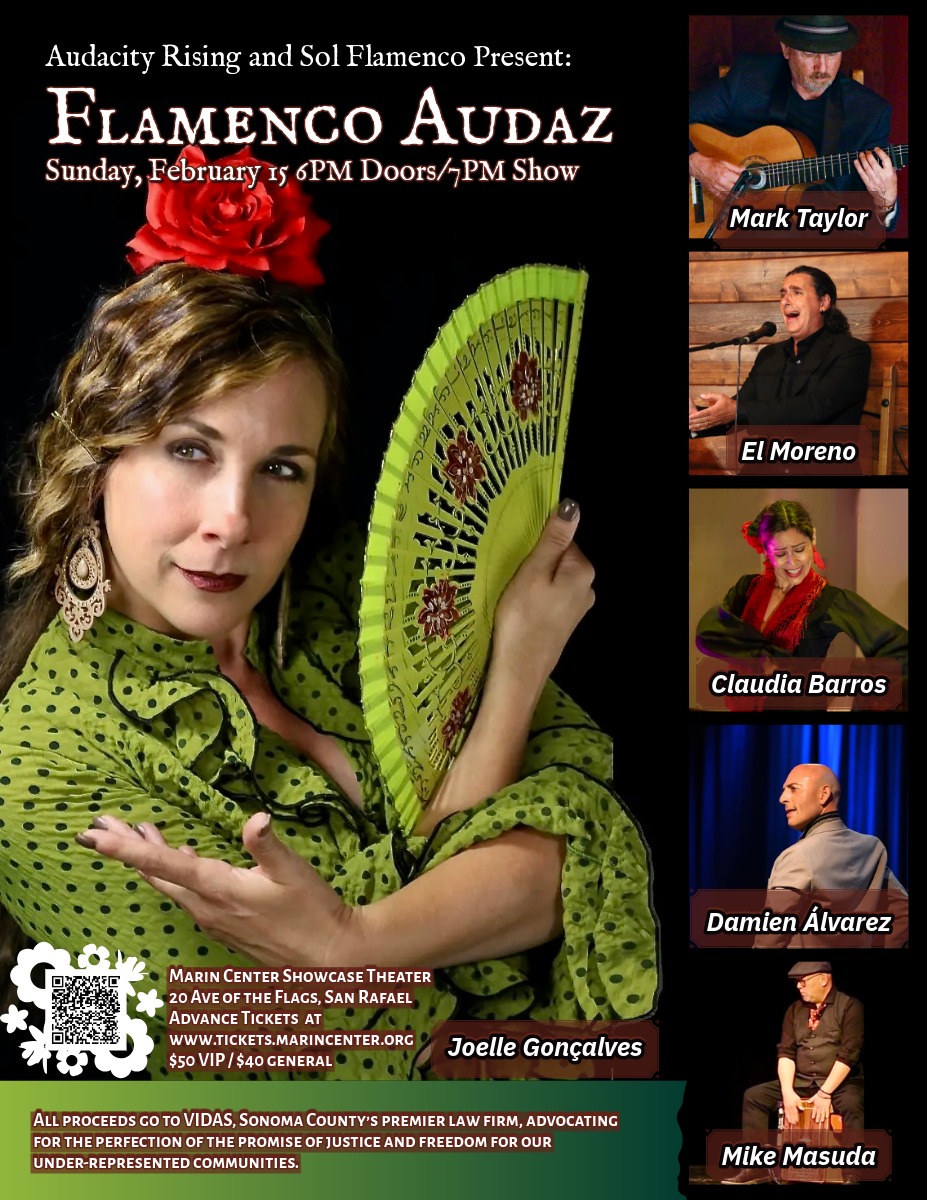
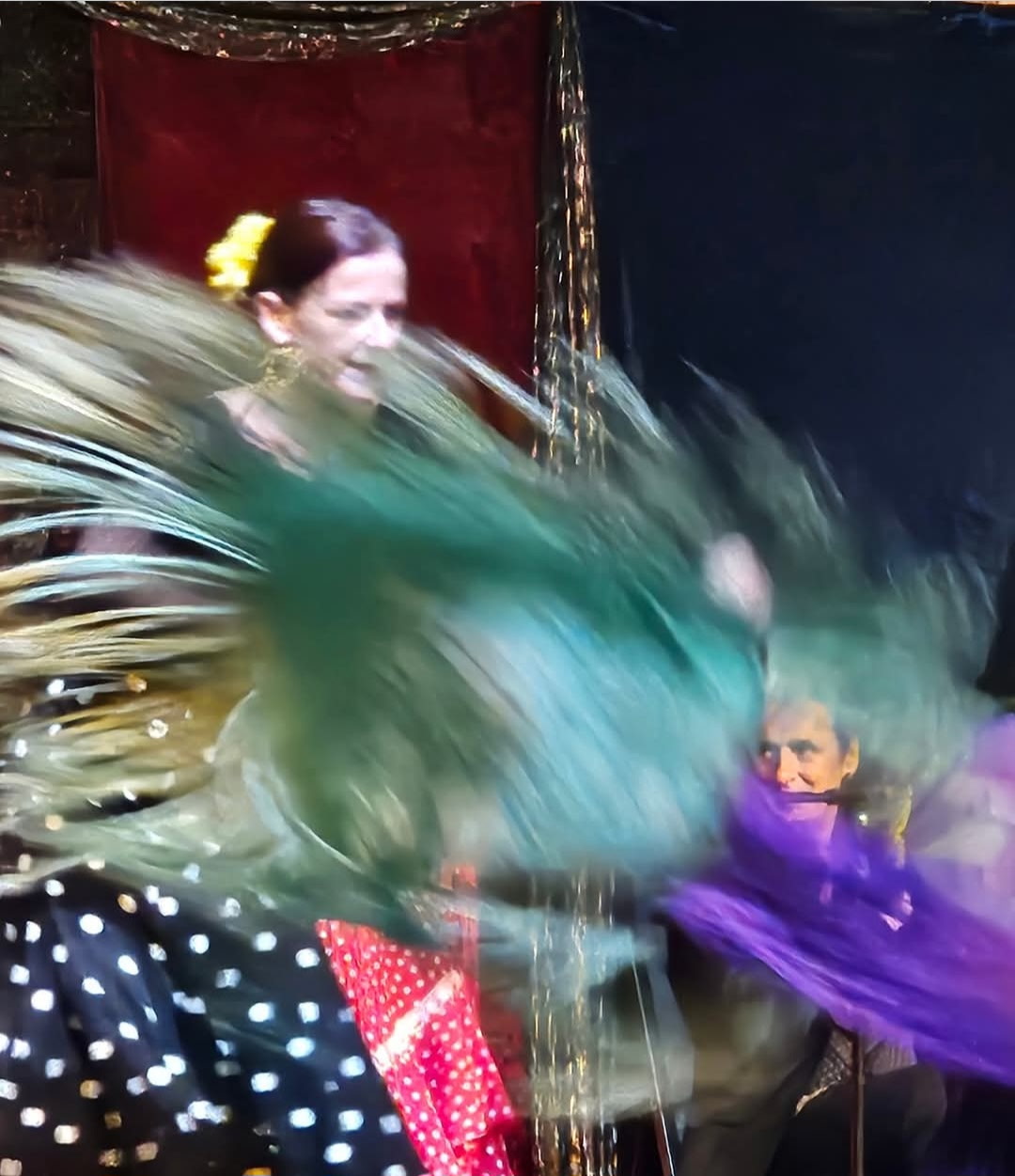
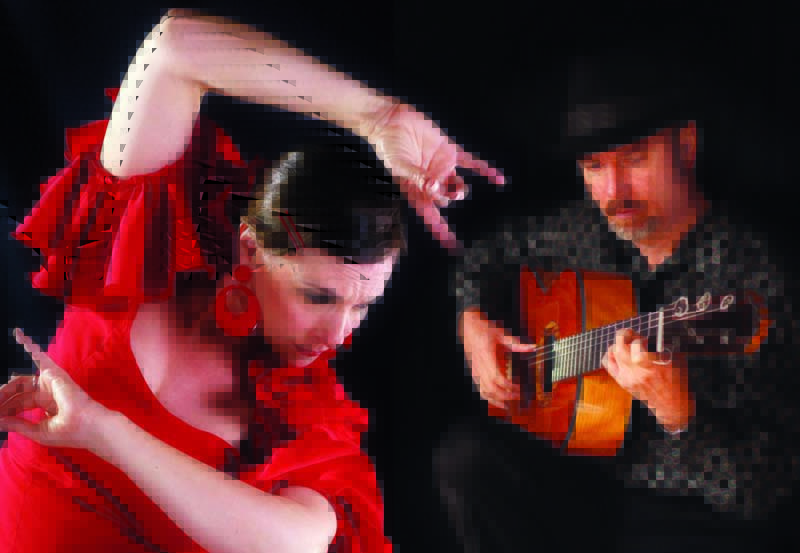
Flamenco is deeply ingrained in the cultural identity of Spain, particularly in Andalusia. It serves as a symbol of unity among diverse communities and is recognized internationally as an essential part of Spain's heritage. The art form embodies the spirit of the Spanish people, capturing a wide range of emotions such as joy, sorrow, and defiance. Flamenco's recognition by UNESCO as an Intangible Cultural Heritage of Humanity in 2010 further underscores its cultural significance. This blend of musical styles and storytelling reflects the rich tapestry of Spain's history, showcasing how different communities have contributed to its development. Flamenco was initially a form of oral storytelling among marginalized groups, allowing them to express their emotions and experiences through music and dance.
At its core, flamenco is an intensely emotional art form. The performances, characterized by passionate singing (cante), intricate guitar playing (toque), and expressive dance (baile), convey feelings that are often difficult to articulate. The concept of "duende," popularized by poet Federico García Lorca, refers to the soulful connection between performer and audience, representing authenticity and emotional depth. Flamenco allows artists to express their personal experiences and connect with the audience on a visceral level, making each performance unique.
Courtesy of; Gran Gala Flamenco --momentslog.com-- Reality Pathing
show less
At its core, flamenco is an intensely emotional art form. The performances, characterized by passionate singing (cante), intricate guitar playing (toque), and expressive dance (baile), convey feelings that are often difficult to articulate. The concept of "duende," popularized by poet Federico García Lorca, refers to the soulful connection between performer and audience, representing authenticity and emotional depth. Flamenco allows artists to express their personal experiences and connect with the audience on a visceral level, making each performance unique.
Courtesy of; Gran Gala Flamenco --momentslog.com-- Reality Pathing
Flamenco is deeply ingrained in the cultural identity of Spain, particularly in Andalusia. It serves as a symbol of unity among diverse communities and is recognized internationally as an essential part of Spain's heritage. The art form embodies the spirit of the Spanish people, capturing a wide range of emotions such as joy, sorrow, and defiance. Flamenco's recognition by UNESCO as an Intangible Cultural Heritage of Humanity in 2010 further underscores its cultural significance. This blend of musical styles and storytelling reflects the rich tapestry of Spain's history, showcasing how different communities have contributed to its development. Flamenco was initially a form of oral storytelling among marginalized groups, allowing them to express their emotions and experiences through music and dance.
At its core, flamenco is an intensely emotional art form. The performances, characterized by passionate singing (cante), intricate guitar playing (toque), and expressive dance (baile), convey feelings that are often difficult to articulate. The concept of "duende," popularized by poet Federico García Lorca, refers to the soulful connection between performer and audience, representing authenticity and emotional depth. Flamenco allows artists to express their personal experiences and connect with the audience on a visceral level, making each performance unique.
Courtesy of; Gran Gala Flamenco --momentslog.com-- Reality Pathing
read more
At its core, flamenco is an intensely emotional art form. The performances, characterized by passionate singing (cante), intricate guitar playing (toque), and expressive dance (baile), convey feelings that are often difficult to articulate. The concept of "duende," popularized by poet Federico García Lorca, refers to the soulful connection between performer and audience, representing authenticity and emotional depth. Flamenco allows artists to express their personal experiences and connect with the audience on a visceral level, making each performance unique.
Courtesy of; Gran Gala Flamenco --momentslog.com-- Reality Pathing
show less
Date/Times:
The Best Events
Every Week in Your Inbox

From Our Sponsors
UPCOMING EVENTS







Great suggestion! We'll be in touch.
Event reviewed successfully.