Sat August 1, 2026
The Fabric of Celluloid: A Conversation with Dr. Alla Gadassik
at San Francisco Museum of Craft and Design
(1:00 PM)
The history of film is usually told through cinema's machines and screens, but its material story also runs through the textile workshop.
Celluloid is best known as the medium of analog cinema and animation, but it began as the material of another craft. Synthesized from cellulose originally derived from cotton, this early plastic stiffened shirt collars and replaced ivory in fashion goods and decorative objects before it carried photosensitive emulsion. Early cinema mechanics drew from a textile lineage: the Lumiere Brothers' Cinematographe used the claw of a sewing machine to thread ribbons of film.
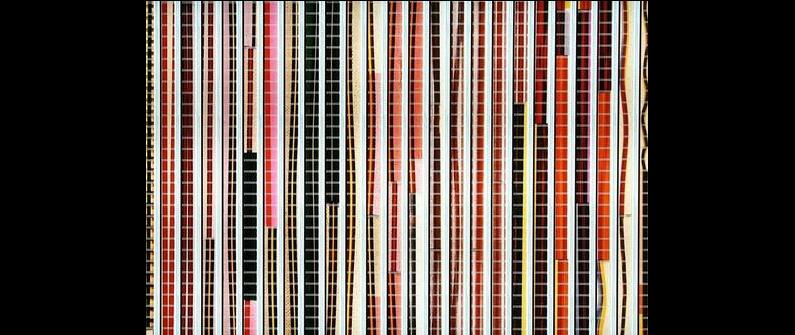
This presentation features celluloid as a material that has always straddled moving images and craft. It traces the surprising connections between cinema and textile-based making through the work of artists who make that material kinship visible. In Len Lye's cameraless animation, the filmstrip becomes a pliant length of fabric, dyed and stenciled into patterns that pulse on screen. In classical animation, the hand-inked and hand-painted cel reveals the delicate and gendered manual labor often likened to embroidery that underpinned popular cartoons. Among contemporary artists, including several featured in Video Craft, celluloid film is quilted, woven, and sewn into pieced tapestries and projected screens.
The history of celluloid reminds us of the tangible fiber of analog moving images: an art form crafted from woven ribbons and patient handwork, from which the substance of cinema is spun.
$10 General Admission, $8 Students/Seniors, MCD Members Free.
Presented by Museum of Craft and Design
show less
Celluloid is best known as the medium of analog cinema and animation, but it began as the material of another craft. Synthesized from cellulose originally derived from cotton, this early plastic stiffened shirt collars and replaced ivory in fashion goods and decorative objects before it carried photosensitive emulsion. Early cinema mechanics drew from a textile lineage: the Lumiere Brothers' Cinematographe used the claw of a sewing machine to thread ribbons of film.
This presentation features celluloid as a material that has always straddled moving images and craft. It traces the surprising connections between cinema and textile-based making through the work of artists who make that material kinship visible. In Len Lye's cameraless animation, the filmstrip becomes a pliant length of fabric, dyed and stenciled into patterns that pulse on screen. In classical animation, the hand-inked and hand-painted cel reveals the delicate and gendered manual labor often likened to embroidery that underpinned popular cartoons. Among contemporary artists, including several featured in Video Craft, celluloid film is quilted, woven, and sewn into pieced tapestries and projected screens.
The history of celluloid reminds us of the tangible fiber of analog moving images: an art form crafted from woven ribbons and patient handwork, from which the substance of cinema is spun.
$10 General Admission, $8 Students/Seniors, MCD Members Free.
Presented by Museum of Craft and Design
The history of film is usually told through cinema's machines and screens, but its material story also runs through the textile workshop.
Celluloid is best known as the medium of analog cinema and animation, but it began as the material of another craft. Synthesized from cellulose originally derived from cotton, this early plastic stiffened shirt collars and replaced ivory in fashion goods and decorative objects before it carried photosensitive emulsion. Early cinema mechanics drew from a textile lineage: the Lumiere Brothers' Cinematographe used the claw of a sewing machine to thread ribbons of film.
This presentation features celluloid as a material that has always straddled moving images and craft. It traces the surprising connections between cinema and textile-based making through the work of artists who make that material kinship visible. In Len Lye's cameraless animation, the filmstrip becomes a pliant length of fabric, dyed and stenciled into patterns that pulse on screen. In classical animation, the hand-inked and hand-painted cel reveals the delicate and gendered manual labor often likened to embroidery that underpinned popular cartoons. Among contemporary artists, including several featured in Video Craft, celluloid film is quilted, woven, and sewn into pieced tapestries and projected screens.
The history of celluloid reminds us of the tangible fiber of analog moving images: an art form crafted from woven ribbons and patient handwork, from which the substance of cinema is spun.
$10 General Admission, $8 Students/Seniors, MCD Members Free.
Presented by Museum of Craft and Design
read more
Celluloid is best known as the medium of analog cinema and animation, but it began as the material of another craft. Synthesized from cellulose originally derived from cotton, this early plastic stiffened shirt collars and replaced ivory in fashion goods and decorative objects before it carried photosensitive emulsion. Early cinema mechanics drew from a textile lineage: the Lumiere Brothers' Cinematographe used the claw of a sewing machine to thread ribbons of film.
This presentation features celluloid as a material that has always straddled moving images and craft. It traces the surprising connections between cinema and textile-based making through the work of artists who make that material kinship visible. In Len Lye's cameraless animation, the filmstrip becomes a pliant length of fabric, dyed and stenciled into patterns that pulse on screen. In classical animation, the hand-inked and hand-painted cel reveals the delicate and gendered manual labor often likened to embroidery that underpinned popular cartoons. Among contemporary artists, including several featured in Video Craft, celluloid film is quilted, woven, and sewn into pieced tapestries and projected screens.
The history of celluloid reminds us of the tangible fiber of analog moving images: an art form crafted from woven ribbons and patient handwork, from which the substance of cinema is spun.
$10 General Admission, $8 Students/Seniors, MCD Members Free.
Presented by Museum of Craft and Design
show less
Date/Times:
San Francisco Museum of Craft and Design
2 Upcoming Events
2569 Third Street, San Francisco, CA 94107
The Best Events
Every Week in Your Inbox

From Our Sponsors
UPCOMING EVENTS









Great suggestion! We'll be in touch.
Event reviewed successfully.